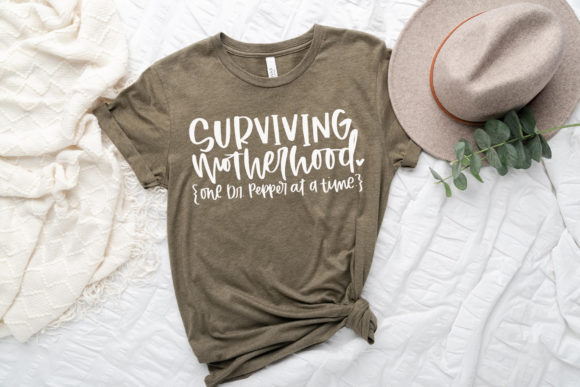
Surviving Motherhood One Dr Pepper: A Designer's Review
When a new embroidery design lands on my desktop, my first thought isn't about its technical specs—it’s about its soul. What story does it tell? What mood does it carry? And crucially, will it stitch out into something that feels alive and wearable? The Surviving Motherhood One Dr Pepper... design passes that initial gut check with a wink and a smile.
The Charm of Hand-Lettered Wit
The immediate impression is one of playful resilience. This isn't a rigid, perfect font; it's hand lettered. That means organic flow, uneven curves, and a personality that reads as authentic and friendly. The phrase itself taps into a shared, humorous truth among moms, creating an instant emotional hook. Visually, the layout is straightforward, which is a strength—it doesn’t fight with itself. This gives you, the embroiderer, a clear canvas to focus on execution.
I'm picturing this stitched onto a soft, heavyweight cotton sweatshirt. It feels like a perfect match. The casual, relatable text paired with the cozy, everyday garment creates a product that doesn’t just sit in a closet; it gets lived in and loved. For a small business owner or Etsy seller, that’s gold: a design that translates into a product with high giftability and repeat wear.
Where This Design Thrives in Real Projects
Let’s talk real-life application. I’m considering a custom order for a mother’s birthday—an embroidered tote bag. The client wants something personal, lighthearted, and durable. This design fits all three. Its theme is inherently personalized, even without adding a name. The hand-lettered style lends a handmade warmth that mass-produced logos lack.
- Tote Bags & Aprons: Larger, stable surfaces are ideal. The text will have room to breathe, and the stitch density can be managed well with proper stabilizer.
- Sweatshirts & T-Shirts: For apparel, placement is key. Center-chest or left chest on a sweatshirt would be my go-to. It’s a statement, but not an overwhelming one.
- Pillow Covers & Kitchen Towels: Fantastic for home decor items. It turns a simple tea towel into a relatable kitchen gift.
- Embroidered Patches: This design could be stunning as a standalone patch. Applied to a baby blanket or a cap, it becomes a cheeky, modern heirloom.
In a commercial embroidery context, like producing inventory for a craft fair, its clear theme helps with quick customer recognition. People see it and immediately know if it’s for them or for someone in their life.
The Practical Considerations: Where to Proceed with Care
No design is universally perfect, and a professional review means spotting where extra attention is needed. The hand-lettered charm of Surviving Motherhood One Dr Pepper... comes with some natural intricacies.
The small details in the lettering—the varying thicknesses, the connected characters—require a careful setup. On very small hoop sizes, some of that organic detail might get lost or become overly dense. It’s likely best suited for a medium-sized project.
- Textured or Stretchy Fabrics: Think twice before putting this on a loosely knit sweater or a thin, stretchy t-shirt without excellent stabilizer. The satin stitch areas (if the design uses them) could pull or distort.
- Dark Fabric Backgrounds: This is a huge one. The mood is light and fun. Using bright, contrasting thread colors on a dark garment can make it pop, but you must test the contrast first. A black sweatshirt with vibrant red and white thread? Possibly brilliant.
- Curved Surfaces like Caps: The linear layout might need slight adjustment or careful hooping to look flawless on a curved baseball cap.
- Products for Frequent Washing: For items like baby clothes or kitchen linens that will be washed often, a robust stitch structure is vital. Always test on scrap fabric first to see how the design holds up.
How It Lifts Your Final Product's Value
Using a design with this much inherent character does more than just decorate a item; it elevates the entire finished product. For creative entrepreneurs, it adds a layer of storytelling that buyers connect with. That connection builds customer trust and engagement—they feel you understand their vibe.
The visual appeal comes from its authenticity. When stitched out, the handmade lettering should translate into stitching clarity that looks intentional and artistic, not machine-perfect and cold. This reinforces your brand as one that values personality and craft.
Your Essential Designer Checklist Before Hooping
Before I'd run this embroidery file for a client or my own small shop product, here’s my mental checklist:
- Test on Scrap: Always. Use the same fabric and stabilizer combo you plan for the final project. Check for any puckering, especially in denser areas.
- Color Contrast: Run it in a black and white mockup digitally first to see if the shapes hold up. Then, physically test your chosen thread colors on both light and dark fabric backgrounds.
- Inspect the Details: Zoom in. Look at the tiny corners and connections in the lettering. Will your machine and thread choice handle them cleanly?
- Confirm Licensing: This is critical. The product category is Graphics. Before selling any finished items—tote bags, sweatshirts, embroidered patches—or using it in commercial embroidery projects, you must verify the license terms for this specific digital embroidery file.
- Think Beyond the Stitch: How will you present it? A good printable mockup for your Etsy listing can show customers exactly how it would look on a tote bag or apron, boosting their confidence to buy.
Ultimately, Surviving Motherhood One Dr Pepper... is a design with a strong, specific voice. It’s not a generic graphic; it’s a conversation starter. In the right project, on the right fabric, with careful execution, it will stitch out into a product that feels genuinely personal and delightfully real. That’s the kind of embroidery design that makes a craft business memorable.