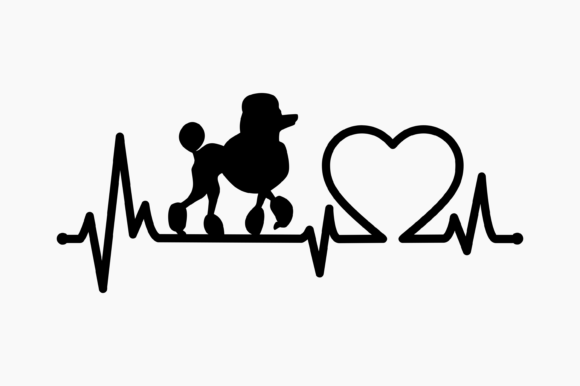
A Designer's Review: The Dog Poodle Heartbeat Embroidery File
Let’s talk about a specific design I’ve been looking at for real-world use: the Dog Poodle Heartbeat. As someone who constantly evaluates embroidery files for client projects and my own shop products, I don’t just look at the preview image. I think about how it will stitch out, where it would shine, and what headaches it might cause. This one is an interesting case.
The First Impression: Quietly Sentimental
The first thing you notice is the combination of the sweet, curly poodle silhouette and the clean heartbeat line. It’s not a loud, cartoonish graphic. It’s a quiet, sentimental design that speaks more to personal connection than generic pet love. The layout is balanced and simple, which is a huge plus for embroidery. There aren’t a million tiny details fighting for space, but the shape of the poodle offers enough character to be recognizable.
The mood it creates is gentle and affectionate. This isn’t a design for a bold statement piece; it’s for a thoughtful gift or a personalized product for someone who truly cherishes their dog. The visual personality is warm and modern—it feels current without being trendy. Immediately, I started picturing it on a cozy sweatshirt cuff or the corner of a linen pillow cover.
Where This Design Finds Its Home
I recently had a request for a custom embroidered tote bag as a wedding gift for a couple whose poodle was essentially their "firstborn." The Dog Poodle Heartbeat design jumped into my mind. In a scenario like that, this graphic becomes more than decoration; it becomes a meaningful symbol.
For practical embroidery projects, this design naturally fits into a few key categories. For custom apparel, it would work beautifully as a smaller accent on a t-shirt pocket, the back of a cap, or the sleeve of a sweatshirt. It feels right for baby clothes or nursery decor if the child is named after or connected to a family pet. As an embroidered patch, it would be lovely and simple to apply. For home goods, think of it on a kitchen towel, apron, or blanket for a pet-loving home. Its clean aesthetic makes it a strong candidate for boutique merchandise—it looks professional and heartfelt, which builds customer trust and elevates a handmade presentation.
The Practical Stitching Considerations
Now, for the real-life embroidery situations. The provided file formats—Svg, Png, Eps, Dxf—mean it’s versatile for digital setup, but for machine embroidery, you’ll be converting and testing. The simplicity is its greatest strength. The larger, open areas of the poodle shape and the single heartbeat line mean stitch density can be managed well. It shouldn’t become overly thick or stiff on lightweight fabrics.
However, this design should be used carefully in a few specific scenarios. On very small hoop sizes, the curly details of the poodle’s fur could become a bit muddled if the stitch path isn’t optimized. On highly textured fabrics like some sweaters, the clean heartbeat line might lose its sharpness. On dark fabric, the design’s appeal relies on good thread color contrast—a white or light poodle on a black background could look stunning, but you must test it. The design seems suited for flat surfaces; on curved surfaces like caps, the single, continuous heartbeat line might need slight adjustment to look smooth.
For products that need frequent washing, like t-shirts or tea towels, the relative simplicity should hold up well, as there aren’t many tiny, delicate stitch clusters that could snag.
How It Affects Your Project's Value
Using a design like this isn’ just about putting stitches on fabric. It affects the entire perceived value of your finished product. The clarity and emotional resonance of the Dog Poodle Heartbeat directly boost its giftability. A customer isn’t buying a generic dog graphic; they’re buying a specific, tender representation. That increases buyer engagement for your Etsy listings or craft fair products.
For brand consistency, if your small shop focuses on sentimental, modern pet products, this design fits a clear niche. It helps you look professional and focused. For commercial embroidery projects, like a series of pillows for a boutique, it offers a recognizable, repeatable motif that doesn’t feel mass-produced.
Notes From the Hoop: A Designer's Checklist
Before I commit any design to a final project, I run through a mental checklist. For the Dog Poodle Heartbeat, here’s what I’d do.
- Always test on scrap fabric first. Use the same material and color as your final product.
- Check thread color contrast meticulously. Play with light and dark backgrounds in your software mockups. A pale grey poodle on a heather grey sweatshirt might vanish.
- Review the stitch density after conversion. Ensure the poodle’s fill stitch isn’t too dense for delicate fabrics.
- Confirm your hoop size can accommodate the design comfortably. Don’t cram it into the smallest hoop; give it a little margin.
- Inspect the small details. The little curls and the points of the heartbeat line need to stitch out cleanly.
- Use the proper stabilizer. For a design with a solid shape and a thin line, a good cut-away or tear-away is crucial, especially on stretchy fabric.
- Check the licensing terms provided with the file. The description mentions "unlimited use," but always verify this for both personal and commercial projects before selling finished items. Don’t assume.
Since exact stitch counts, specific hoop sizes, and machine compatibility details aren’t provided in the basic product description, it’s on you—the crafter, the business owner—to determine those through your own digitizing process and machine testing. That’s standard practice for any digital embroidery file.
The Final Stitch: A Design With Heart
Evaluating the Dog Poodle Heartbeat from a designer’s point of view, I see a graphics asset with a lot of potential. It’s not the most complex or flashy design in the Crafts category, but its emotional intelligence is its real power. In the right project—a personalized gift, a small shop’s signature pet product, a custom piece of home decor—it will stitch out with clarity and carry a story. That’s what turns a simple embroidery project into a product people love and remember. It reminds you that sometimes, the most effective designs are the ones that speak softly and directly to the heart.