Evaluating a Sustainable Lifestyle Design for Embroidery
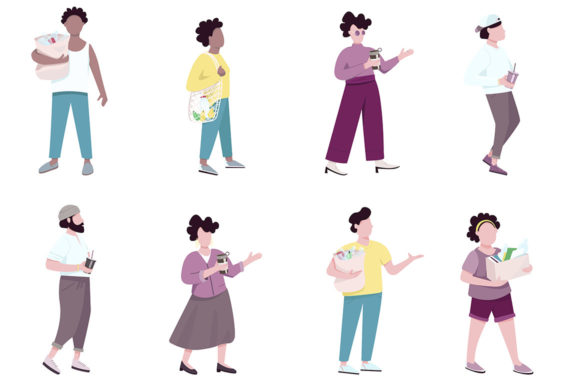
When a new embroidery file lands in my library, my first question is always a practical one: will this design stitch out beautifully on real fabric, and does it have a clear, compelling place in the market? Today, I’m considering People with Garbage and Reusable Items. This set of faceless, flat-color vector characters presents a modern, everyday theme—a woman holding trash, a lady with a mesh bag, a man with a coffee cup. It’s an illustration set squarely in the realm of sustainable living and mindful consumption.
The Immediate Mood and Design Personality
My first impression is that this design carries a light, approachable, and slightly educational vibe. The faceless style keeps it universal and friendly, avoiding any specific cultural or personal bias. The flat colors mean it’s not overly detailed, which translates well to embroidery where excessive detail can become muddled. The theme itself is current and conversation-starting. It doesn’t shout; it suggests. This isn’t a loud, decorative floral. It’s a thoughtful graphic that tells a small story about daily choices.
Visually, the shapes are clean and defined. The human figures are simple, and the objects—the garbage, the reusable mesh bag, the coffee cup—are iconic and instantly recognizable. This clarity is a huge plus for embroidery. The design’s personality is modern, clean, and a bit minimalist. It feels like it belongs on contemporary handmade products, not vintage or ornate ones.
The Natural Home for This Embroidery Project
Let’s picture a real scenario. I’m preparing a batch of custom tote bags for a small boutique that focuses on eco-friendly products. They want a design that subtly reinforces their brand message without being aggressive. People with Garbage and Reusable Items comes to mind immediately. The lady with the mesh bag character would be perfect. Stitched onto a natural canvas tote, it would become a functional, wearable piece of branding. The design’s simplicity ensures it won’t look overly busy or heavy on the bag’s surface.
Beyond tote bags, this set has a surprisingly wide application range. The individual characters are isolated, making them ideal for smaller items. The man with the coffee cup could become a charming, subtle detail on a kitchen towel or a linen apron. The woman holding garbage might be recontextualized as a gentle reminder on a reusable cleaning cloth. For baby items, the simple, cartoon-like illustrations could work well on a nursery pillow cover or a blanket, provided the theme aligns with the parents’ values—it’s more about ‘care for the planet’ than typical baby motifs.
Where This Design Finds Its Strength
In practical embroidery situations, the flat color and clean lines of People with Garbage and Reusable Items are advantageous. For custom apparel like sweatshirts or t-shirts, the design won’t require an overwhelming amount of stitches, reducing fabric pull and making it comfortable to wear. On embroidered patches, these characters would stitch out with excellent clarity, perfect for appliqué or as a standalone patch to sell on Etsy or at craft fairs. For holiday gifts or personalized products, like a tea towel set for a friend who loves gardening, it adds a personalized, handmade touch with a meaningful theme.
The design also lends itself to digital product previews and printable mockups. As a graphic, it’s clean enough to look professional in shop listings, helping customers visualize the finished embroidered product on a cap or pillow cover. This boosts buyer engagement and trust, as they can clearly see what they’re purchasing.
Careful Considerations for Stitching Success
While the design is straightforward, a few scenarios require extra attention. On very small hoop sizes, the finer details—like the handles of the mesh bag or the lid of the coffee cup—need to be checked. If the embroidery file’s stitch density is too high in these small areas, they could become puckered or lose definition.
Dark fabric is another consideration. The design, described as isolated on a white background, suggests light-colored elements. If stitching on a black sweatshirt, you’d need to choose thread colors that pop with enough contrast—bright whites or light pastels for the characters’ clothing, for instance. Always test on scrap fabric first to see how the colors translate.
On textured or stretchy fabrics like some knit caps, the clean lines could be slightly softened by the fabric’s nature. Using the proper stabilizer is non-negotiable here to maintain the graphic’s sharpness. Similarly, on curved surfaces like caps, the layout might need slight adjustment to look balanced.
The Impact on Product Value and Presentation
Using this design on a finished product affects its perceived value. On a handmade tote bag, it elevates it from a simple carrier to a statement product with a narrative. This can enhance brand consistency for a shop focused on sustainability. As a personalized gift, it feels more thoughtful than a generic design, increasing its giftability.
For the craft business owner, it offers a design that’s both commercially usable and visually professional. It avoids the cluttered, overly complex look that can sometimes make embroidery appear amateurish. The clear, isolated illustrations stitch out with stitching clarity, which customers appreciate—they can easily see what the image is, which builds trust in the quality of your work.
Practical Notes for the Embroidery Designer
Before loading this file into your machine, a few checks are essential. Since specifics like exact stitch count or included file formats aren’t provided in the description, you must verify them. Confirm the hoop size requirements and the available formats to ensure compatibility with your machine.
I always advise running a test stitch on scrap fabric that matches your final project fabric. For People with Garbage and Reusable Items, pay special attention to the small detail areas. See how the fill stitch or satin stitch areas behave. Check if the design works well in both color and, as a thought exercise, in a black-and-white mockup to understand its form without color reliance.
Licensing is crucial. Before selling finished items like embroidered patches or custom apparel in your small shop, confirm the license terms for this graphics set. Does it allow for commercial embroidery and resale of physical products? Never assume.
Finally, consider thread color selection. The flat color vector style suggests solid blocks of color. Choose thread shades that are vibrant and cohesive. On light fabrics, you might want slightly darker tones for definition; on dark fabrics, go brighter. The right thread colors will make this modern, everyday theme shine on your finished product, turning a simple illustration into a compelling piece of handmade art.