An Embroidered Moment of Warmth: The Pouring Coffee Design
First Stitch Impressions
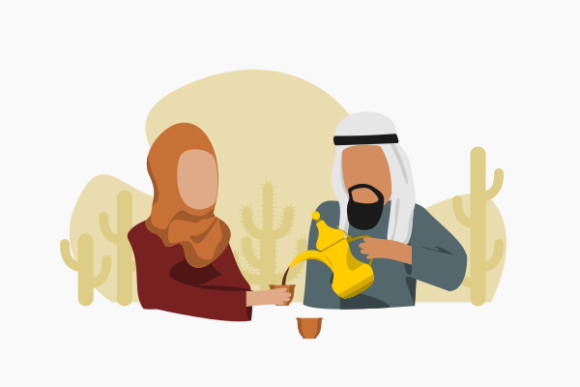
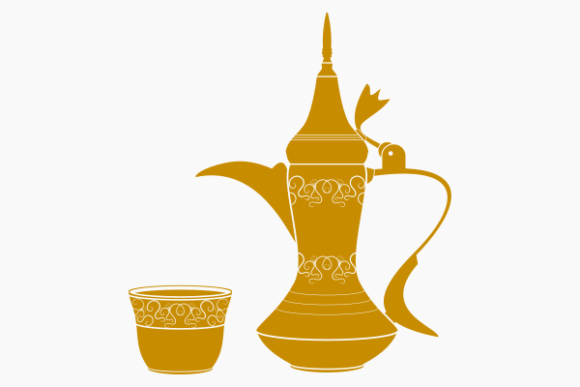
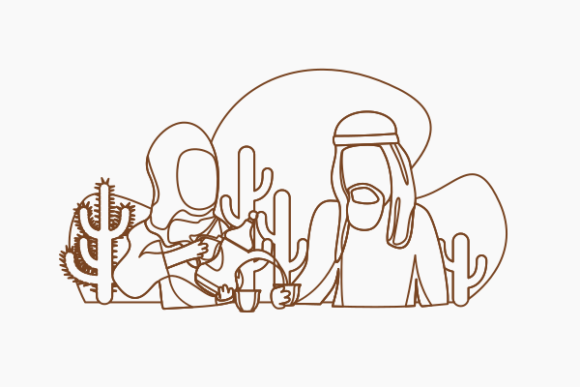
When I open an embroidery file, I’m looking for a feeling. This design—Outline Arab Pouring Coffee for Husband—immediately evokes a sense of quiet, intimate ceremony. The outline style is its greatest strength here. It’s clean, uncluttered, and focused purely on the gesture: the lady, the dallah pot, the finjan cup. This isn’t a busy, filled illustration; it’s a graceful line drawing waiting to be translated into thread. The mood is respectful, cultural, and deeply personal. It feels like it belongs on something meant to be cherished, a handmade product that tells a story without shouting.
The Natural Project Fit
I picture this on a custom embroidered pillow cover for a wedding gift, or as a subtle, beautiful accent on the corner of a tea towel in a kitchen that honors tradition. It would be stunning on a linen tote bag—a sophisticated, everyday carry for a cafe with Arabian culture or for someone who simply appreciates the art. For baby items, like a blanket or a simple romper, it becomes a gentle, heritage-inspired motif. The outline style means it won’t overwhelm smaller items; it’s elegant even at a modest size.
Real-World Embroidery Performance
Let’s talk about putting this design into real embroidery projects. I’m thinking through a specific scenario: a client wants a personalized gift for her husband, a custom sweatshirt with a meaningful, understated design. This is the perfect candidate.
The open, outline nature of this graphic means stitch density can be managed beautifully. You can execute it with a clean running stitch or a precise satin stitch for the lines, keeping the overall feel light. This is a significant advantage on fabrics like sweatshirts or caps where heavy fill stitches can feel stiff and bulky. On a tote bag or apron made from a textured canvas, the design will hold its clarity without getting lost in the weave.
However, its performance depends on thoughtful execution. On dark fabric, you’ll need excellent thread color contrast—a bright white or gold thread would make this design pop. On stretchy fabric like a t-shirt, a good stabilizer is non-negotiable to keep those flowing lines from distorting. And because it’s an outline, the small details—the connection between the pot and cup, the shape of the figures—need to be checked in your machine embroidery software. A test run on scrap fabric is essential to see how your machine interprets the vectors, ensuring those lines are smooth and not broken.
Where Caution is Needed
This design shines on larger, flat surfaces. On curved surfaces like caps, the longer, sweeping lines might need slight adjustment in placement to look natural. If you try to shrink it down for a very small hoop size, some of the finer connections could become too tight, risking thread breaks or a cluttered look. Always preview it at your intended final size. It’s not inherently suited for dense, layered garments; it’s a statement of simplicity.
The Business of Warmth: Customer and Craft Impact
From a craft business perspective, this design adds value through its specificity and emotion. For an Etsy seller or small shop product, it taps into a niche—Islamic religious moments, Arabian culture appreciation, romantic gestures—that attracts customers looking for more than a generic graphic. The handmade presentation feels authentic because the design itself is thoughtful.
When a customer sees this embroidered on a pillow or a bag, they recognize the care in the theme. It builds customer trust because it shows you offer designs with cultural sensitivity and meaning. For personalized gifts, its giftability is high. It’s not flashy; it’s meaningful. This directly affects buyer engagement—they’re more likely to share the story behind the product.
For digital product sellers, this editable SVG vector is a valuable asset. Its clean lines make it excellent for printable mockups and previews, showing potential buyers exactly how it could look stitched. It helps maintain brand consistency for a shop focused on cultural or intimate design themes.
Practical Designer Notes Before You Hoop
Before you commit this to a final project, here’s my checklist:
- Run a test on your chosen fabric texture—linen, cotton, fleece—to see how the outline sits.
- Check your thread colors against both light and dark background mockups. A single color might work, or a two-tone approach (gold for the pot, brown for the figures) could add depth.
- Confirm the design works at your intended hoop size without losing definition.
- Inspect the small details in your software: are any corners too sharp for smooth stitching?
- Since it’s described as an editable SVG, ensure your software handles vectors well for machine embroidery design conversion.
- Most importantly: confirm licensing before selling finished items or digital products. The description mentions use for Islamic moments or cafes, but clarify if commercial use is included.
This Outline Arab Pouring Coffee for Husband design is a tool for creating quiet, beautiful products. It won’t be the right fit for every project, but for the ones where mood and meaning matter more than bold decoration, it will stitch up into something truly special.