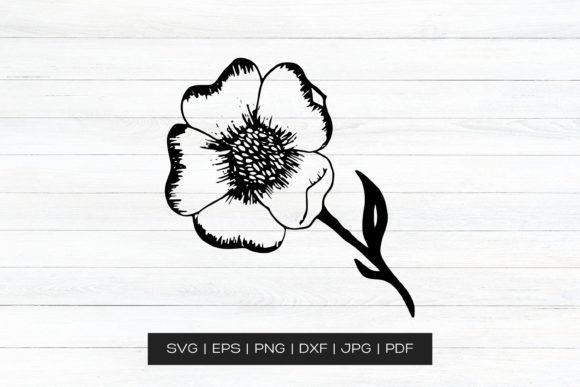
A Hand Drawn Flower Design for Real Embroidery Projects
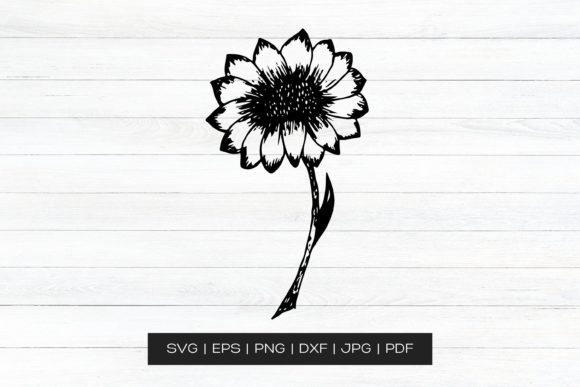
When a new embroidery file lands in my library, my first question is always: how will this translate into thread? With Hand Drawn Flower Clip Art, the answer is immediately charming. This isn't a rigid, technical vector; it has a soft, sketched personality. That looseness in the line work suggests a project that feels handmade and personal, not mass-produced. It creates a mood of gentle, organic warmth.
Where This Flower Blooms Best: Imagining the Finished Product
Let’s walk through a real scenario. I’m preparing a custom order for a client’s boutique: a series of embroidered linen pillow covers. They want something that feels artistic, not cookie-cutter. Hand Drawn Flower Clip Art comes to mind instantly. Its flowing shapes would translate beautifully into satin stitch outlines and light fill stitches, creating a piece that looks like a sketched illustration rendered in thread. I can already picture it on a natural cotton-linen blend—the imperfect, hand-drawn lines complementing the fabric’s texture.
This design naturally belongs to projects where the presentation is key. Think of a beautifully embroidered tote bag for a small shop, a delicate motif on a baby blanket, or a focal point on a kitchen towel meant as a heartfelt gift. For an Etsy seller specializing in personalized gifts, this file offers a design asset that elevates a simple item. It wouldn’t fight with other elements; it would be the quiet, elegant star.
The Practical Stitch: Considering Fabric and Execution
In real-life embroidery, the character of the design file dictates the approach. The sketched style here means that on custom apparel like sweatshirts or t-shirts, you’d want to consider stitch density. On thicker fabrics like a sweatshirt, a slightly denser fill might capture those hand-drawn shadows well, but on a delicate baby garment, a lighter running stitch outline could preserve the airy feel. For a sturdy embroidered patch, this flower would be fantastic—the details would hold up clearly.
However, its application requires some thoughtful matching. On very dark fabrics, the subtlety of the sketched lines might get lost unless you use high-contrast, bright thread colors. On highly textured fabrics like some blankets, the smaller, intricate corners of the petals might need a stabilizer choice that ensures crispness. And while it would adapt well to curved surfaces like a cap, I’d advise testing the scaled size first on scrap fabric to ensure the finest details don’t blur.
Beyond the Hoop: How This Design Adds Value
The true test of an embroidery file for a business or serious hobbyist is how it affects the finished product’s appeal and value. Hand Drawn Flower Clip Art brings a distinct visual personality. That personality builds customer trust because the item looks carefully curated, not randomly selected. For a creative entrepreneur, it supports brand consistency if your shop vibe is soft, natural, or artistic. It increases giftability—this isn’t a generic logo; it’s a piece of art that feels special.
From a professional standpoint, using a design with this clear, illustrative quality makes your handmade product presentation stronger. It engages buyers because it tells a story. In a crowded marketplace of digital embroidery files, a design that evokes a specific mood, like this one does, helps your listing stand out, whether it’s for a physical embroidered pillow or the digital file itself as a product in your craft business.
A Designer’s Notes Before You Stitch
Before you load this into your machine for a client’s wedding gift apron or your next craft fair batch of tea towels, here’s my practical checklist.
- Always test on scrap fabric of the same type you plan to use. See how the sketched lines become stitches.
- Check thread color contrast against your background fabric, especially for light-on-dark applications.
- Review the stitch density in your software; you might adjust it for different fabric weights.
- Confirm your intended hoop size can accommodate the design at your desired scale without losing definition.
- Inspect the small details in a preview. Are there tiny corners or lines that might need a simpler stitch type?
- Test the design in a simple black-and-white mockup. This helps visualize it without color bias.
- Compare how it would look on both a light and a dark background to plan your product line.
- Use a proper stabilizer for the fabric. This is crucial for maintaining the design's hand-drawn clarity.
- Crucially, since this is a Graphics product in the Crafts category, confirm the licensing terms before selling any finished items or commercial embroidery projects. The description notes wide suitability, but verifying the specifics for commercial use is a non-negotiable step.
Embroidery is about transformation—from digital file to tactile thread. Hand Drawn Flower Clip Art is a design that promises a lovely transformation. It’s not just a graphic; it’s a blueprint for projects that carry a sense of warmth and artistry, from a personalized baby item to a boutique’s signature tote bag. Approach it with a thoughtful eye for fabric and execution, and it will reward you with a finished product that feels genuinely crafted.