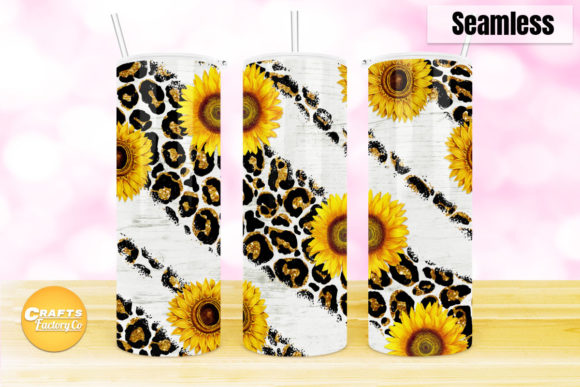
A Hand Drawn Sunflower for Graphics & Crafts
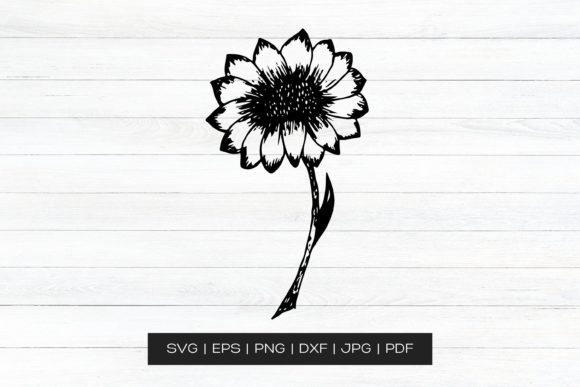
Opening this Hand Drawn Sunflower Vector Art file, my first impression is immediate warmth. This isn't a sterile, geometric logo mark. It's an illustration that carries a specific, welcoming mood: organic, friendly, and inherently optimistic. The artful, slightly irregular lines and natural imperfections of the sunflower sketch communicate a human touch. It feels perfectly suited for casual branding, lifestyle content, handmade product lines, seasonal promotions, and editorial graphics aiming for a genuine, down-to-earth connection.
Why This Mood Matters for Your Campaign
In marketing, mood is a shortcut to emotion. This sunflower asset immediately sets a tone of growth, positivity, and natural authenticity. For a brand owner launching a new wellness product, a blogger promoting a summer content kit, or a coach preparing a digital workshop on personal growth, this graphic design asset provides an instant emotional anchor. It tells your audience, before they read a single word, that your message is rooted in warmth and approachability. This is crucial for building audience trust and making your campaign visuals more memorable.
From Social Posts to Product Labels: Real-World Applications
Let’s frame this around a real project: a small business launching a line of herbal teas. The core marketing challenge is to present the product as both premium and artisanal, not mass-produced. Here’s how this sunflower vector performs.
For brand identity, it could become a secondary logo mark or a consistent decorative element across touchpoints. On product labels and packaging design, it adds a crafted, botanical accent that elevates the presentation without overwhelming the mandatory information. In social media graphics—Instagram posts, Pinterest pins, Facebook ad visuals—it creates a strong, recognizable visual theme. Used as a hero graphic in email banners or website headers for a seasonal sale, it captures attention and conveys the campaign’s sunny, uplifting spirit instantly. For content marketing, it can be the unifying visual in blog graphics, downloadable lead magnets, and even Canva templates for your community to use.
- Stronger First Impression: It replaces generic stock photos with a unique, branded illustration.
- Clearer Visual Hierarchy: Its organic shape can guide the eye toward your headline or call-to-action.
- More Consistent Branding: Using the same asset across posters, stickers, and digital ads creates a cohesive brand story.
- Professional Appearance: A well-executed vector, even when hand-drawn, signals care and quality.
The Marketing Workflow: From Asset to Campaign
Imagine integrating this into a summer promotional workflow. You download the SVG and PNG files. First, you test it against your brand color palette. Perhaps you recolor a petal to match your signature hue. You place it inside real mockups: a social media cover image, a promotional banner for your website, a mock-up of a coffee cup mug for merchandise ideas. You preview how it looks on a mobile screen—does it remain clear and appealing at small sizes? You then build a suite of graphics: a bold Pinterest graphic using it as a background element, a simpler Instagram post where it accents a quote, and an event flyer where it brings life to the layout. This one digital product becomes the cornerstone of your entire seasonal visual content creation.
Where This Sunflower Design Asset Works Best
Its strengths shine in specific marketing contexts. Use it as a hero graphic for campaign headers, especially for product launches with a natural or optimistic angle. It’s ideal for creating branded templates for your team or clients, ensuring visual consistency. It excels as a decorative brand element on packaging accents, vinyl decals, or magnets—physical touchpoints that extend your brand’s feel. For content bundles or media kits, it provides a professional yet approachable cover visual. In editorial layouts for blogs or digital magazines, it breaks up text and adds thematic flair.
Practical Notes for the Brand Designer
Before you commit this asset to a major campaign, here are my professional checks. Always confirm the commercial license if using it in paid campaigns, client work, or permanent business branding. Test it in black and white to ensure it retains its character in monochrome applications like some printable designs. Pair it with your font library: how does it balance with a clean sans-serif for a modern mix, or with a script font for a totally handmade feel? Check spacing and balance when placing text nearby—the organic shape needs room to breathe. Crucially, compare it against competitor visuals. Does it help you stand out with a unique creative design, or does it blend into a crowded niche?
Caution Zones: Where to Use This Asset Carefully
This hand-drawn style is a powerful tool, but not universally applicable. Use it carefully in overly formal corporate branding where precision is paramount. In dense information layouts, like a complex infographic, it might compete with the data. On very small mobile graphics, the intricate lines could become fuzzy. Avoid low-contrast backgrounds where the detail disappears. For overly minimal brands, this organic element could feel incongruous. In text-heavy ads, ensure it supports, not distracts from, the core message. Its power is in its mood; misapplication can dilute that.
Final Assessment: A Versatile Tool for Creative Entrepreneurs
This Hand Drawn Sunflower Vector Art is more than clipart; it’s a versatile branding and content tool. For the marketer, blogger, or small business owner, it solves a key problem: how to attract attention without looking messy or unprofessional. It provides a ready-made aesthetic of authenticity that can be scaled across crafts and commercial design. From t-shirt designs to digital ads, it supports a unified visual story. Its inherent warmth fosters an emotional connection, which is the ultimate goal of any content marketing effort. By integrating it thoughtfully into your marketing visuals, you build a stronger, more recognizable, and more trustworthy brand presence—one that feels as human as your audience.