Golf Ball Design: A Clean Embroidered Classic for Your Craft Business
First Impression: The Simple Charm of a Well-Executed Motif
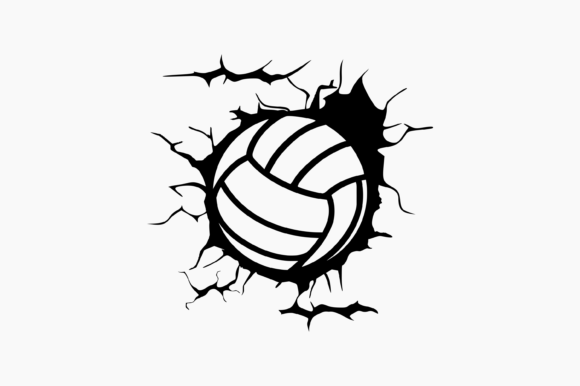
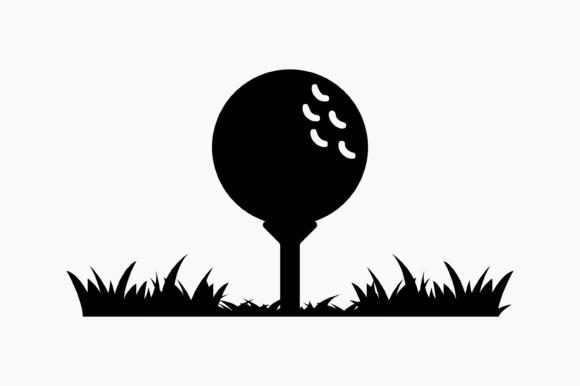
When you first open the Golf Ball embroidery file, its clarity is immediately apparent. It’s not a noisy, overly detailed graphic. This is a clean, recognizable shape—the kind of design that feels both classic and versatile. The mood it creates is straightforward and sporty, leaning towards a refined, leisure-focused aesthetic rather than loud or cartoonish. This visual personality is its greatest asset: it feels instantly applicable to a wide range of projects without needing much interpretation.
For an embroidery designer, this translates to a design that naturally belongs to projects for a specific, often appreciative audience. Think custom polo shirts, tote bags for club members, or caps for a golf outing. Its strength lies in its theme being immediately understood, which is crucial when creating products for a niche hobby or passion.
Where This Design Finds Its Perfect Home
In my real-life embroidery work, I’m always mentally placing a new design onto potential products. For the Golf Ball, a recent scenario was a client request for personalized Father’s Day gifts—a set of embroidered pillow covers for a golfer’s reading nook. The design’s clean lines promised a result that would be decorative without being kitschy, stitching up as a subtle, tasteful accent. It’s exactly the kind of graphic that elevates a simple tea towel or apron into a thoughtful, themed gift.
For small business owners and Etsy sellers, this design shines on custom apparel like sweatshirts and t-shirts, particularly in a boutique or pro-shop context. It would work beautifully as a small logo on a baby item for a golf-loving family—perhaps a little onesie with a tiny, stitched ball on the pocket. As a standalone embroidered patch, it’s simple enough to be applied to bags or jackets without looking cluttered. The key is its scalability; because it’s not overly complex, it can be stitched small for a cap or larger for a blanket or nursery decor piece without losing its essence.
Practical Performance: Stitching It Into Reality
Moving from the digital file to the actual stitch-out is where a designer’s practical judgment comes in. Based on the provided file formats (like SVG, PNG, EPS, DXF), this is a vector-based graphic, which typically translates well to clean embroidery paths. However, the real test is on fabric.
On a standard cotton tote bag or a mid-weight sweatshirt, I expect the Golf Ball to perform well. The shape, likely defined by a satin stitch outline or a clean fill stitch for the ball itself, should offer good stitching clarity. This clarity directly impacts product value and customer trust—a crisp, professional-looking embroidery job makes a handmade item feel premium.
Caution Areas: Where to Hoop Carefully
While the design seems straightforward, there are always situations that demand extra care. For the Golf Ball, pay close attention on:
- Small hoop sizes: If you’re stitching it very small (under 2 inches), any potential tiny details, like the dimple texture suggestion, might need simplification or could become too dense.
- Textured or stretchy fabrics: On items like certain knit caps or thin polo shirts, the rounded shape could distort if stabilizer isn’t used correctly.
- Dark fabric: Always test thread color contrast on a scrap first. A white or light-colored fill stitch on a black garment will pop, but you need to ensure your stitch density is sufficient to prevent the background fabric from showing through and making the ball look faded.
- Curved surfaces: Embroidering this on a baseball cap’s curved front requires careful hooping to keep the circular shape looking round, not warped.
These considerations aren’t flaws of the design itself, but rather the realistic application notes any experienced embroiderer would run through before loading the file for a client’s project.
The Impact on Your Craft Business and Customer Appeal
From a commercial perspective, using a design like this affects more than just the stitch-out. It influences your brand consistency if you’re a shop specializing in sporty or lifestyle goods. It enhances the giftability of your products—a mug or pillow with this clean design feels like a proper gift, not a generic craft. For the end customer, the instant recognition of the theme creates a personal connection, which boosts buyer engagement.
When preparing products for a craft fair or an Etsy listing, this design lends itself to clean printable mockups. Its simplicity means it integrates well into digital previews, helping customers visualize the final finished product easily. That’s a significant advantage for digital product sellers and creative entrepreneurs selling the physical embroidered item.
Essential Designer Notes Before You Stitch
Before you commit this design to a real project, especially for commercial use, here’s my standard checklist:
- Always test the design on scrap fabric first, using the same material and weight as your final project.
- Check the thread color contrast on both light and dark background scraps. Does it need a bolder thread, or a slightly altered hue?
- Review stitch density in your software preview. Is the fill area too dense for lightweight fabrics? Could it cause puckering?
- Confirm your hoop size and placement. Does the design scale cleanly to the size you need?
- Inspect any small details in the file. Even a simple ball might have subtle texture lines; ensure they’ll stitch clearly and not become a muddy mass of thread.
- Confirm the licensing before selling finished items. The description mentions “unlimited use,” but it’s your responsibility to verify the terms for commercial embroidery and digital product resale.
Remember, the provided file formats (SVG, PNG, EPS, DXF) are versatile for many machines and software, but their performance as an embroidery file specifically depends on your machine’s compatibility and how the vector paths are converted to stitches. Don’t assume—do a test run.
A Trustworthy Asset for the Practical Maker
In the end, the Golf Ball design presents itself as a reliable, straightforward asset. It won’t be the centerpiece of a wildly artistic project, but it will be the perfect, professional accent on a vast array of practical items. For the hobbyist making a personalized gift, or the small shop owner adding a new line of golf-themed kitchen towels or holiday embroidery gifts, it offers a high chance of a clean, successful stitch-out that customers will recognize and appreciate. Its value lies in its simplicity and clear thematic purpose. Just approach it with the same practical care you would any new design: test, adjust, and stitch with confidence.