Crafting Visual Stories with the Tree of Life Graphic
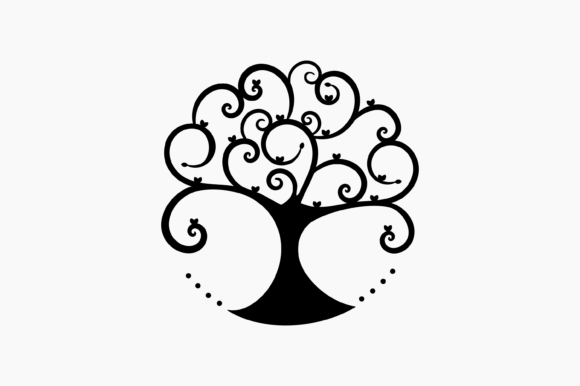
As a digital publisher, my first encounter with the Tree of Life design asset is a moment of immediate clarity. This isn't just a decorative element; it’s a foundational graphic design asset that speaks to themes of growth, connection, and natural beauty. The editorial mood it creates is distinctly artistic and lifestyle-focused, yet it carries a universal, clean elegance that transcends a single niche. It feels inherently suitable for content around wellness, spirituality, family, education, sustainability, or personal development. For a website or blog, this isn't a playful cartoon; it's a polished visual anchor that can lend a sense of depth and authenticity to your pages.
Where This Design Thrives in Your Publishing Workflow
Imagine finalizing a blog post on "Mindful Gardening Practices." Your task is to create a featured image that must perform on your site, in email newsletters, and as a Pinterest pin. The Tree of Life graphic becomes your cornerstone. Its strong, central motif provides instant visual hierarchy, making it perfect for overlaying a clear headline. This single asset can be adapted across your entire content ecosystem:
- Blog Featured Images & Article Headers: It creates a stronger first impression, setting a contemplative, quality tone before the reader even scrolls.
- Pinterest Graphics & Social Media Previews: The iconic shape is recognizable even in small thumbnails, boosting click-through potential for visual platforms.
- Website Banners & Hero Images: It can serve as a powerful, symbolic banner for a category page on "Sustainable Living" or "Personal Growth."
- Digital Guides & Lead Magnets: For a downloadable worksheet on "Mapping Your Personal Goals," the tree design as a cover or accent graphic immediately suggests growth and structure, enhancing perceived value.
- Newsletter Graphics & Email Headers: It builds more consistent branding across your communication channels.
- Affiliate Content Visuals: If you're promoting journals, planners, or eco-friendly products, this asset creates a cohesive, professional-looking visual link that supports trust.
- Digital Product Covers: For eBooks, printables, or even Canva template kits you sell, it elevates the presentation, signaling a crafted, thoughtful product.
The key is its versatility as a digital download. With formats like SVG and PNG, you can scale it for large banners or shrink it for iconography without quality loss, a practical boon for web design and digital product creation.
A Publisher’s Checklist for Implementation
Before embedding this design into your live content, a few practical tests are essential for maintaining editorial quality.
- Preview in Context: Place it in your actual blog layout. How does it interact with your text? Does it complement or compete?
- Test Typography Pairings: Overlay your standard headline fonts. Try it with a clean sans-serif for a modern feel, a serif font for a classic editorial look, or even a subtle script font for a more personal touch. The design’s balance usually supports clear readability.
- Check Mobile & Thumbnail Rendering: The most beautiful graphic fails if it becomes an indistinct blob on a mobile screen or a Pinterest feed. Ensure its core shape remains identifiable.
- Assess Contrast & File Size: For web performance, compress PNG files appropriately. If using it on a text-heavy background, ensure sufficient contrast so the design accents the content without hurting readability.
- Verify Licensing for Commercial Use: The description notes "unlimited use." For a monetized website, affiliate blog, or paid digital guide, explicitly confirm this includes a commercial license. This is non-negotiable for professional content marketing and small business branding.
Content Niches That Will Find a Natural Home
The Tree of Life isn’t a generic clip-art. Its symbolic weight gives it editorial power. It naturally supports content that aims to inspire, teach, or connect. Think of a lifestyle blogger creating a "Family Roots" series, an online educator crafting lessons on ecosystems, a creative entrepreneur branding a line of handmade journals, or a wellness publisher designing meditative printables. In each case, the asset reinforces the core message visually, building better category recognition and a stronger visual identity for your site.
It excels as an editorial accent in long-form articles, a visual for content upgrades, and a repeating motif in a series of posts, creating cohesion. For affiliate marketers in the crafts or inspirational product space, it provides a ready-made, high-quality visual that aligns with promoted products like custom stickers, mugs, or apparel, making your content pages look integrated and authoritative.
When to Use with Strategic Caution
While versatile, every design asset has boundaries. The Tree of Life, with its inherent decorative and symbolic nature, should be used carefully in a few specific scenarios:
- Very Serious Corporate Niches: A financial report or a technical engineering blog would likely find this asset mismatched.
- Extremely Minimalist Visual Systems: If your site’s brand is ultra-modern and relies solely on photography and stark typography, a symbolic illustration might break the system.
- Busy, Text-Dominant Layouts: Avoid placing it as a background on paragraphs of text. Use it as a focused accent instead.
- Low-Contrast Backgrounds: Placing a detailed tree on a similarly textured or colored background can diminish its impact and clutter the layout.
The goal is always to support the content, not overshadow it. This graphic works best when it serves the story.
The Final Word: Elevating Your Visual Communication
From the perspective of a blog designer, acquiring a design like the Tree of Life is about investing in your platform’s visual communication. It’s a ready-made tool to make your featured images more compelling, your downloadable resources more desirable, and your social media graphics more cohesive. It helps transform standard posts into visually memorable pieces. By integrating such a polished asset into your workflow—for hero images, Pinterest pins, and digital guide covers—you directly contribute to improved reader trust and a more professional publication presence. In a crowded digital landscape, these creative design choices are not just decoration; they are a critical part of how your content is perceived, clicked, and valued.