A Designer’s Review of the “Coffee Then Gardening” Embroidery Design
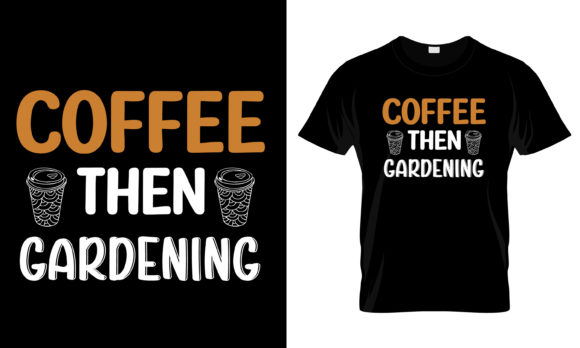
When a new embroidery design lands on my desk, my first question isn’t about the file formats—it’s about its soul. How will it translate from pixels to stitches? The “Coffee Then Gardening” design immediately presents a playful, relatable personality. That cheeky iced coffee cup paired with a casual, quirky message creates a lighthearted mood perfect for today’s maker market. It’s not just a graphic; it’s a conversation starter waiting to be stitched.
The First Stitch: Visual Personality & Project Fit
My initial impression is one of balanced whimsy. The layout feels intentional—the cup is a clear focal point, and the text has a playful flow that suggests it won’t fight the fabric. This isn’t a dense, rigid logo. It’s a design that belongs on relaxed, personal items. I instinctively picture it on a soft cotton tote bag for a garden center customer or embroidered on a linen apron for a boutique. The detail level, as described, seems well-suited for machine embroidery; the 4500×5400 resolution hints at clean edges for small lettering and cup details, which is crucial for stitching clarity.
Where This Design Finds Its Home
In practical use, this design shines on everyday items that tell a personal story. Imagine a custom-embroidered sweatshirt for a plant-loving friend, or a simple tea towel in a kitchen that overlooks a garden. It’s a natural fit for personalized gifts—think birthday presents for that friend who’s always posting about their morning coffee and their tomato plants. For small business owners and Etsy sellers, this design translates beautifully into a product line. A curated “Coffee & Garden” series could include embroidered caps, relaxed pillow covers for a sunroom, or even nursery decor for parents with a green thumb. The theme taps into two hugely popular lifestyles, making it highly recognizable and engaging for buyers.
The Real-Life Embroidery Scenario: A Custom Tote Bag
Let’s walk through a real case. I’m preparing a custom embroidered tote bag for a local garden shop’s loyalty program. They want something fun, not corporate. Hooping a sturdy canvas tote, I consider how “Coffee Then Gardening” will stitch out. The playful text needs to remain legible—satin stitches on the letters will need proper density. The iced cup, with its likely details, will require a good stabilizer choice to prevent puckering on the bag’s textured fabric. The design’s inherent lightness means it won’t overwhelm the material or feel too heavy. After stitching, the result feels handmade yet professional, adding value and a touch of brand personality to their merchandise. This is exactly where such a design delivers.
Careful Application: Where to Proceed with Caution
While versatile, every design has considerations. For “Coffee Then Gardening,” I’d be cautious on very small hoop sizes if the text is intricate. Stretchy fabrics like thin t-shirts might require adjustments to stitch density to maintain integrity. Embroidering on dark fabrics demands thoughtful thread color contrast—a test on scrap fabric is essential. Applying it to curved surfaces like caps requires checking how the layout flows with the curve. Also, for products destined for frequent washing, like baby clothes or kitchen towels, ensuring the stitch coverage is solid and secure is key to longevity. The design’s charm should last through many washes.
Impact on Your Craft Business & Customer Appeal
From a business perspective, this embroidery file offers strong giftability and customer trust. It feels current and authentic. When used on your handmade products, it supports a cohesive brand if you cater to the lifestyle or hobby niche. For apparel decorators, it’s a ready-made design asset that can be deployed quickly for custom orders. The professionalism of the final embroidered product hinges on your execution, but the design itself provides a catchy, clean foundation that engages buyers looking for something personal and fun. It elevates a simple item into a story.
Practical Designer Notes Before You Hoop
Before running this machine embroidery design, here’s my standard checklist. Always test on a scrap of your target fabric first. Review the stitch density in your software—does it look appropriate for the material? Confirm your hoop size can accommodate the design comfortably, especially if you plan to resize. Inspect the small details of the cup and text in a black-and-white mockup to check for clarity. Compare how it looks on both light and dark fabric backgrounds in a preview; this informs your thread palette. Use a proper stabilizer for your fabric type. Crucially, check the provided file formats (SVG, EPS, PNG) for compatibility with your system and confirm the licensing terms for your intended use—whether for personal projects or commercial embroidery products you plan to sell. Never assume.
Final Thoughts: A Design Ready for the Maker’s Hand
The “Coffee Then Gardening” design, from a Print Templates and Graphics category, is more than a digital file. It’s a template for connection. Its strength lies in its relatable theme and visual personality, which translate well into the tactile world of embroidery. For the crafter, hobbyist, or creative entrepreneur, it offers a straightforward path to a finished product that people will understand and enjoy. Approach it with practical preparation, and it will reward you with a charming, stitch-perfect result that fits perfectly into the lives of your customers, clients, and friends.